


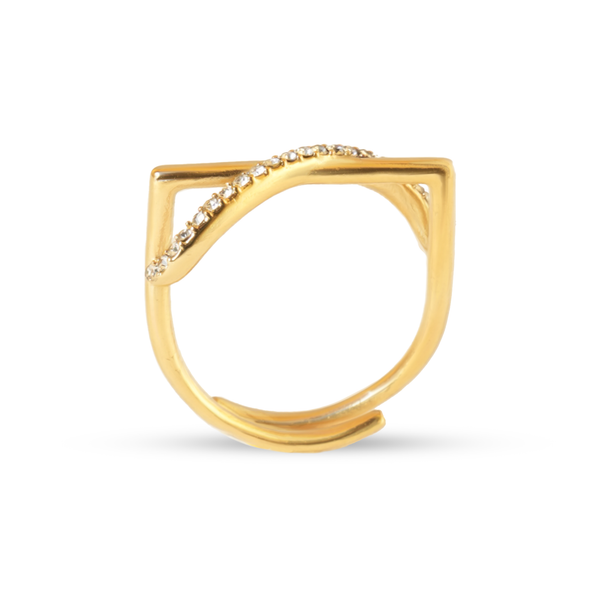

Anti tarnish plating buys your jewelry time, but it isn't a permanent shield. Sweat, perfume, and everyday friction still wear on any coating eventually. The good news is that a handful of small habits can stretch the life of a piece by years.
What actually causes tarnish
Tarnish is a chemical reaction between a metal's surface and things it comes into contact with, mainly moisture, oxygen, sulfur compounds in the air, and chemicals in products like perfume, lotion, and cleaning sprays. Anti tarnish plating works by sealing the base metal underneath with a protective layer, usually a thin coat that resists that reaction for far longer than an untreated surface would. It slows the process significantly. It doesn't stop it completely, especially with daily wear.
Anti tarnish versus solid gold or silver
Solid gold and solid silver don't "tarnish" in quite the same way plated pieces do, though sterling silver does oxidize and needs its own regular polishing. Anti tarnish plated jewelry sits in a useful middle ground: it costs far less than solid precious metal, but with the right care it holds its finish for a long time. The tradeoff is that the coating is a surface layer rather than the metal all the way through, which is exactly why the daily habits below matter more for plated pieces than they would for solid metal.
1. Put jewelry on last, take it off first
Perfume, hairspray, and lotion are some of the biggest causes of premature tarnishing, and most people apply them right before putting their jewelry on. Flip the order. Get fully ready, then add your necklace, earrings, or rings as the final step. When you get home, take jewelry off before you wash your face or apply night cream.
2. Keep it dry
Water itself won't ruin most anti tarnish pieces, but water combined with soap, chlorine, or salt water speeds up plating breakdown significantly. Take rings off before washing dishes, showering, or swimming, and dry pieces fully with a soft cloth if they do get wet.
3. Store pieces separately, not in a pile
Jewelry rubbing against other jewelry in a drawer causes small scratches that wear through plating faster than normal daily wear does. A simple fix: keep pieces in individual soft pouches or a compartmentalized tray rather than tossed together in one box.
4. Avoid direct sunlight and heat for storage
Leaving jewelry on a sunny windowsill or in a hot car speeds up oxidation on most metal plating. A cool, dry drawer is a better long term home than anywhere with direct light or heat.
5. Wipe, don't scrub
If a piece looks a little dull, a soft microfiber cloth wiped gently in one direction usually restores the shine. Avoid tissue, paper towels, or anything abrasive, and skip harsh jewelry cleaning liquids on plated pieces unless the product specifically says it's safe for plated metal, since many cleaners are designed for solid gold or silver and can strip a thin plating layer.
Signs a piece needs a break from wear
If a piece starts looking dull even right after wiping it, or you notice a slightly different color starting to show at edges and high contact points like clasps and ring bands, that's usually a sign the coating is thinning in that spot. Giving the piece a rest from daily wear at that point, rather than continuing to wear it against skin and fabric every day, helps slow any further wear.
A simple rule to remember
If you wouldn't put it on your skin before makeup, don't put your jewelry on before it either. Perfume and lotion go first, jewelry goes on last, and it comes off before either of those routines happen in reverse at night.
Frequently asked questions
Can anti tarnish jewelry get wet?
Brief contact with water is generally fine, but prolonged exposure to water mixed with soap, chlorine, or salt speeds up wear on the coating. Removing pieces before showering, swimming, or washing dishes is the safer habit.
How long does anti tarnish coating last?
It depends heavily on how often a piece is worn and how it's cared for. With the habits above, most anti tarnish pieces hold their finish well for a long stretch of regular wear. Pieces worn every single day without any of these precautions will naturally show wear sooner.
Is it normal for anti tarnish jewelry to eventually fade?
Some gradual change over a long period of regular wear is normal for any plated jewelry, since the coating is a surface layer rather than solid metal throughout. The goal of these care habits is to slow that timeline significantly, not to promise it never happens at all.
All Adora.Style pieces are finished with anti tarnish coating on stainless steel, built to handle daily wear when cared for this way.